I still remember the day I peeled off my first gel manicure. It was three weeks old, chipped at the corner, and I thought, “How hard could it be?” I picked it for 10 minute. A thin white layer of my actual nail came off with the polish, and for the next month my nails bent like wet paper.
That was my wake-up call. I love how gel polish looks, and I’m not giving it up. But I had to learn the hard way what’s actually safe and what’s just salon marketing.
So here’s my honest take, based on my own experience and the general best practices dermatologists and nail professionals keep repeating.
What Exactly Is Gel Manicure?
A gel manicure uses polish that doesn’t air dry like regular lacquer. It stays wet until you cure it under UV or LED lamp. Which harden it in to glossy durable layer.
Most gel manicures follow basic routine: Base coat two thin coats of color and top coat. Each layer get cured for 30 to 60 sec. The result is finish that can last two to three week without chipping.
That durability is exactly why people love it. It’s also where the problems start. Anything that sticks to your nail this stubbornly has to be removed with some effort, and effort is where nails get hurt.
How Gel Polish Works and Why the Lamp Matters

Gel polish contains molecules called monomers and oligomers plus light sensitive ingredients called photo initiators. When the lamp’s light hit the polish those ingredients trigger a chain reaction that links everything together into hard, plastic like film. That’s called curing.
Two things matter here:
- Polish and lamp need to be compatible. Under cured gel stay soft and tacky underneath and uncured product is thing that can irritate skin and trigger allergies.
- Thin layers cure better. Thick gloopy coat can harden on surface while staying gooey.
I learned this when cheap lamp left my polish wrinkled and sticky. Skip that mistake and spend more on proper equipment.
The Real Benefits
Let’s be fair. Gel manicures aren’t evil, and there’s a reason they took over the beauty world.
- Longevity: Two to three weeks of chip-free color is hard to beat, especially for busy people.
- Instant dry: No smudging in the car on the way home.
- Shine: The glossy finish stays bright until removal.
- Strength: Gel adds a thin protective layer, so some people with soft, easily splitting nails find they tear less during wear.
That last one surprised me. During a stretch when I was constantly typing and my nails kept snapping, a well applied gel layer actually kept them intact. The problems came afterward, at removal time.
The Risks Nobody Mentions at the Salon
Gel manicures are usually fine if they’re done properly. But fine doesn’t mean no risk at all, and most problems come from how the gel is put on and taken off.
Nail Thinning and Damage
The gel itself usually isn’t what hurts your nails. It’s the heavy filing before it goes on, the hard scraping when it comes off, and peeling. When you peel gel, a layer of your real nail comes off with it, and your nails end up thin, flaky and sore.
Allergic Reactions
Some gels have an ingredient called HEMA and some people react to it. You might get itchy, red or swollen skin around your nails and sometime peeling or blisters. Once you become allergic. It can stay for good. So if you notice any of this stop right away. Don’t try to push through it.
Dryness From Acetone
Taking gel off means soaking your nails in acetone and that dries out both your nails and the skin around them. If you do it without any after care. Your nails get brittle and your cuticles get rough.
Infection Risk
If a salon doesn’t sterilize tools properly, or polish gets sealed over a damaged nail or moisture trapped underneath, bacteria and fungi can move in. Greenish or dark patches under the gel are a warning sign you shouldn’t ignore.
Are UV and LED Lamps Dangerous?
This is the question I get asked most, so let me be balanced about it.
Nail lamps do emit UV light. The exposure per session is short and relatively low compared to, say, a tanning bed. Studies so far suggest the cancer risk from occasional use is very low. But researchers have also noted that repeated, long-term exposure to the hands could add up, since hands already get plenty of sun and show aging first.
I’m not here to scare you and not here to wave it away. Here’s my practical approach: treat it like any other UV exposure and protect your skin. That costs almost nothing.
- Apply broad spectrum sunscreen to your hands about 15 to 20 minutes before your appointment.
- Or wear fingerless UV protective gloves with just the nails exposed.
- Don’t turn gel manicures into a nonstop habit.
How to Make Your Gel Manicure Safer
After a lot of trial and error, these are the habits that made the biggest difference for me.
- Choose a clean salon. Look for sanitized tools, fresh files and buffers and technician who doesn’t rush. Trust your gut if some thing feels off.
- Ask for minimal filing. A light buff for grip is enough. Nails shouldn’t be ground down.
- Insist on thin coats. They heal fully and look better.
- Keep polish off your skin. Uncured gel on the cuticle or skin is the main cause of allergies.
- Protect your skin from UV and Sunscreen or glove every time.
- Take breaks. I now do a gel set, then give my nails a week or two bare before the next one.
- Moisturize daily. Cuticle oil is cheapest nail insurance.
Removing Gel Polish Without Wrecking Your Nails
This is where most of the damage happens, so it gets its own section. Never peel, pick or bite gel off. Seriously, don’t.
Here’s the gentle way to do it:
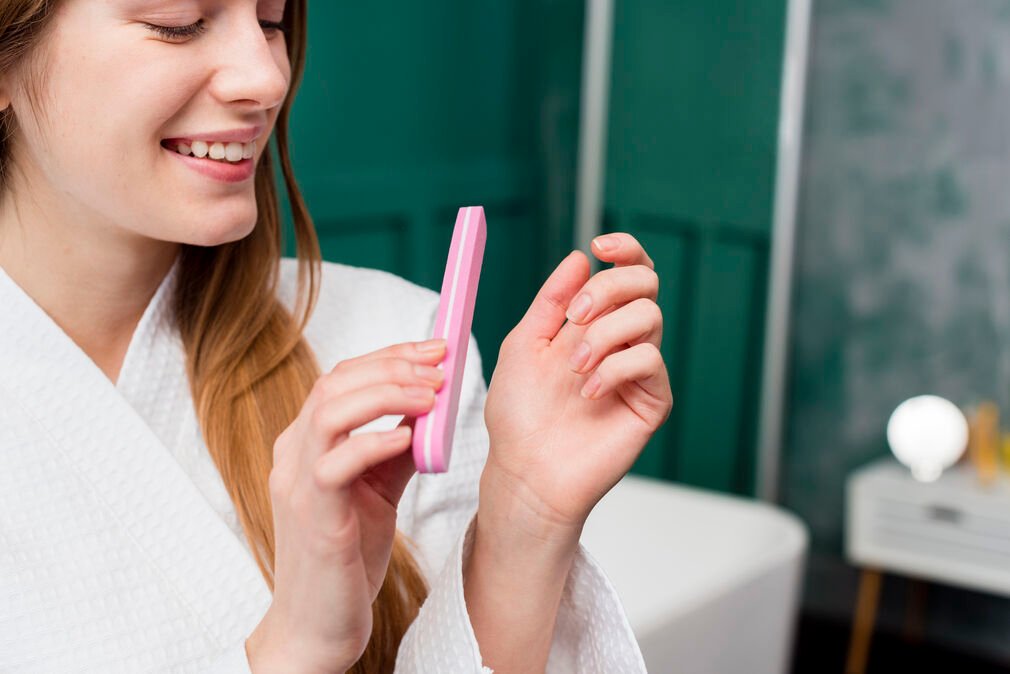
- File the shiny top coat so acetone can get in.
- Soak cotton pad in acetone and put one on nail.
- Wrap each fingertip in foil.
- Wait 10 to 15 minute.
- Slide the soft gel off gently with a soft tool. If it’s still stuck, soak it again. Don’t force it.
- Wash your hands, then put on cuticle oil and hand cream right away.
Be patient with this part. When I stopped rushing the soak, my nails stopped peeling in layers.
Common Mistakes People Make (I Made Some Too)
- Picking at lifting edges. When gel starts lifting it’s tempting to pull it off, but that tears your nail. Get it fixed or take it off properly.
- Wearing the same set for four weeks or more. Moisture gets trapped and your nail keep growing and break the seal.
- Using a cheap lamp that doesn’t match your polish. If the gel doesn’t cure fully, it can irritate your skin.
- Skipping aftercare. After acetone your nails need moisture, a quick rinse isn’t enough.
- Ignoring symptoms. If you get itching, pain or color changes, stop. Don’t push through it.
Home Kits vs. Salon Gel Manicures
I’ve done both. Home kits save money and let you control hygiene, but they have a learning curve. It’s easy to apply coats too thick or cure unevenly, and that’s the exact situation where allergies develop.
If you go the home route, buy a lamp designed for your polish brand, practice thin coats, and read the instructions. Salons offer better technique but quality varies a lot. So choose carefully. Neither option is safer. It comes down to skill and hygiene.
Where Gel Nails Are Heading

The industry is responding to these concerns. Softer soak-off formulas, gentler removal systems, and “hypoallergenic” or HEMA-free lines are becoming more common, and more people are choosing shorter wear cycles with breaks in between.
I’d also expect more focus on nail health, with strengthening treatments and oils becoming a standard part of manicures. That’s a good shift. Pretty nails should also be healthy ones.
Final Thoughts
So, is a gel manicure safe for your nails? For most people, yes, when it’s done properly, applied thinly, and removed gently, with a few smart habits around it. The danger isn’t really the gel. It’s the peeling, the over-filing, the skipped breaks and the ignored warning signs.
I’m still a gel girl at heart. I just treat my nails better now: sunscreen on my hands, patient removal, plenty of oil and breaks between sets. If you take one thing from this post, let it be this: never peel it off. Your nails will thank you.
Take care of yourself and enjoy the polish. If anything on your fingers look or feel wrong check in with dermatologist.
FAQ’s
How often can I get gel nails done?
There’s no set rule. People keep a set on for two or three weeks then go bare for about a week and moisturize before doing the next one. If your nails feel thin or sore just take a longer break.
Do gel nails ruin your real nails?
Not really. It’s usually the hard filing, the peeling, or not taking care of your nails after that causes the problem. Take it off properly and keep your nails moisturized, and tons of people wear gel for years with no issues.
Is the UV lamp bad for your skin?
It does give off UV light, but you’re only under it for a couple of minutes, so most people say the risk is low. It can add up if you go all the time though. Put some sunscreen on your hands first, or wear fingerless gloves. It’s cheap and easy.
Can I be allergic to gel polish?
Yes, some people are. The skin around your nails can get itchy, red or puffy. It happens more if wet gel touches your skin. If that happens, stop using gel and go see a doctor.
What’s the safest way to take gel off?
File the shiny top and put acetone soaked cotton on each nail. Wrap your finger tip in foil and wait few minutes. Then slide the gel off gently. Don’t scrape it hard and never peel it. Afterward, wash your hands and put on some cuticle oil and moisturizer.